



The Seamless Hybrid Team: How to Integrate External Technical Talent Without Breaking Team Culture

Bringing external technical contractors into your core engineering team can feel like a high-stakes balancing act. Done right, it accelerates product roadmaps, introduces fresh perspectives, and bridges critical skill gaps overnight. Done poorly, it creates an invisible rift, an unproductive “us vs. them” dynamic where communication stalls, institutional knowledge evaporates, and morale dips.
Integrating external talent isn’t just about handing over API keys and assigning Jira tickets; it requires deliberate, proactive leadership. Here is how engineering leaders can successfully merge external technical talent into internal teams while maintaining a unified, high-performing engineering culture.
1. Build a Unified Onboarding Experience
First impressions set the pace for engagement. When external contractors are treated as secondary contributors during their first week, their output will inevitably reflect that detachment.
To get external engineers contributing quickly, treat their onboarding with the same care as a full-time hire:
• Grant Tool and System Access Early: Ensure accounts, permissions, repositories, and communication channels are configured before day one.
• Provide Context, Not Just Code: Walk them through the overall architecture, business goals, and current technical debt. Knowing why a feature is being built leads to far better technical decisions.
• Assign a Dedicated Internal Buddy: Pair each contractor with a core team member to answer quick questions and navigate unwritten organizational norms.
A streamlined onboarding process removes friction early, helping external experts deliver value from their very first sprint.
2. Define Clear Ownership and Scope
Friction often stems from ambiguity. When internal employees feel that contractors are overlapping with their core domain—or taking over the “fun” strategic projects—resentment builds.
Clear boundaries protect both internal team morale and external contractor efficiency:
• Delineate Strategic Core vs. Specialized Scale: Keep long-term architecture ownership with internal staff while leveraging external talent for specialized expertise, rapid scaling, or execution-heavy modules.
• Set Explicit Deliverables: Define exact scope, success metrics, and handoff expectations early.
• Avoid Tiered Work Distribution: Never assign all high-impact work to one group while dumping maintenance on the other. Balance assignments to keep everyone engaged.
When every engineer understands their role and responsibilities, collaboration replaces competition.
3. Establish Shared Communication Norms
Silos are the enemy of hybrid team cohesion. If internal engineers communicate in side chats while contractors receive filtered updates secondhand, alignment falls apart.
Eliminate information asymmetry by standardizing your team’s communication channels:
• Centralize Discussions: Move technical discussions, design decisions, and status updates into shared, open Slack channels or project boards.
• Include Talent in Joint Agile Ceremonies: Contractors should actively participate in daily standups, sprint planning, retrospectives, and backlog refinement.
• Document Asynchronously: Emphasize written, accessible documentation for design decisions so anyone can catch up regardless of location or working hours.
When communication is open and centralized, the line between “internal” and “external” naturally disappears.
4. Cultivate Psychological Safety and Inclusion
Engineers do their best work when they feel safe raising risks, admitting mistakes, and proposing alternate solutions. External contractors often hesitate to speak up, fearing they might overstep or jeopardize their engagement.
Creating an inclusive environment requires intentional effort:
• Invite Critique: Explicitly ask external engineers for feedback during architecture reviews or retrospectives. Their outside perspective is often their greatest asset.
• Recognize Contributions Publicly: Celebrate wins and acknowledge great work equally across internal employees and external contractors.
• Promote Open Dialogue: Encourage a culture where asking questions and flagging blockers is welcomed and rewarded.
Psychological safety empowers every contributor to take ownership of quality and performance.
5. Drive Long-Term Knowledge Transfer
The ultimate risk of relying on external talent is losing critical domain knowledge when an engagement ends. Successful leaders build continuous knowledge transfer directly into the development workflow.
To ensure long-term sustainability:
• Enforce Structured Documentation: Require technical documentation and architectural decision records (ADRs) as part of the “Definition of Done” for all completed tickets.
• Utilize Pair Programming: Pair external specialists with internal developers to cross-pollinate skills and share domain context in real-time.
• Host Internal Tech Talks: Encourage external engineers to run short learning sessions on the tools or frameworks they specialize in.
By making knowledge sharing a daily habit, your internal team permanently retains the skills and insights introduced by external experts.
Partnering for Seamless Integration
Building and managing a hybrid engineering team doesn’t have to be a trial-and-error process. Having the right partner makes all the difference in sourcing top-tier technical talent that aligns with your team culture from day one.
Maplesoft Group specializes in connecting technical leaders with high-caliber technology professionals and IT consulting solutions. Whether you need specialized expertise for a critical project or need to scale your engineering capacity seamlessly, Maplesoft Group provides the talent and strategic support necessary to keep your team aligned, efficient, and focused on driving results.
Ready to scale your technical capacity without sacrificing team cohesion? Learn how Maplesoft Group can support your engineering roadmap today.
Related Posts

How to Choose Between Contract, Permanent, and Contract-to-Hire
Learn how to choose between contract, permanent, and contract-to-hire models. Optimize your team's speed, budget,…
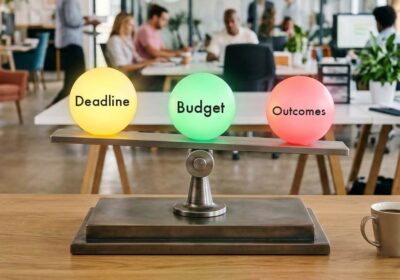
Balancing Deadlines, Budgets & Outcomes
Learn how project leads move beyond the triple constraint to balance budgets, deadlines, and high-impact…